
Mould sits on a place with memory. Before it became a space, it lived another life — a brick kiln from the early 1900s, humming with heat, smoke, and the slow labour of hands shaping earth.

The way Mould grows
Chapter
1
Chapter
2
Chapter
3
Chapter
4
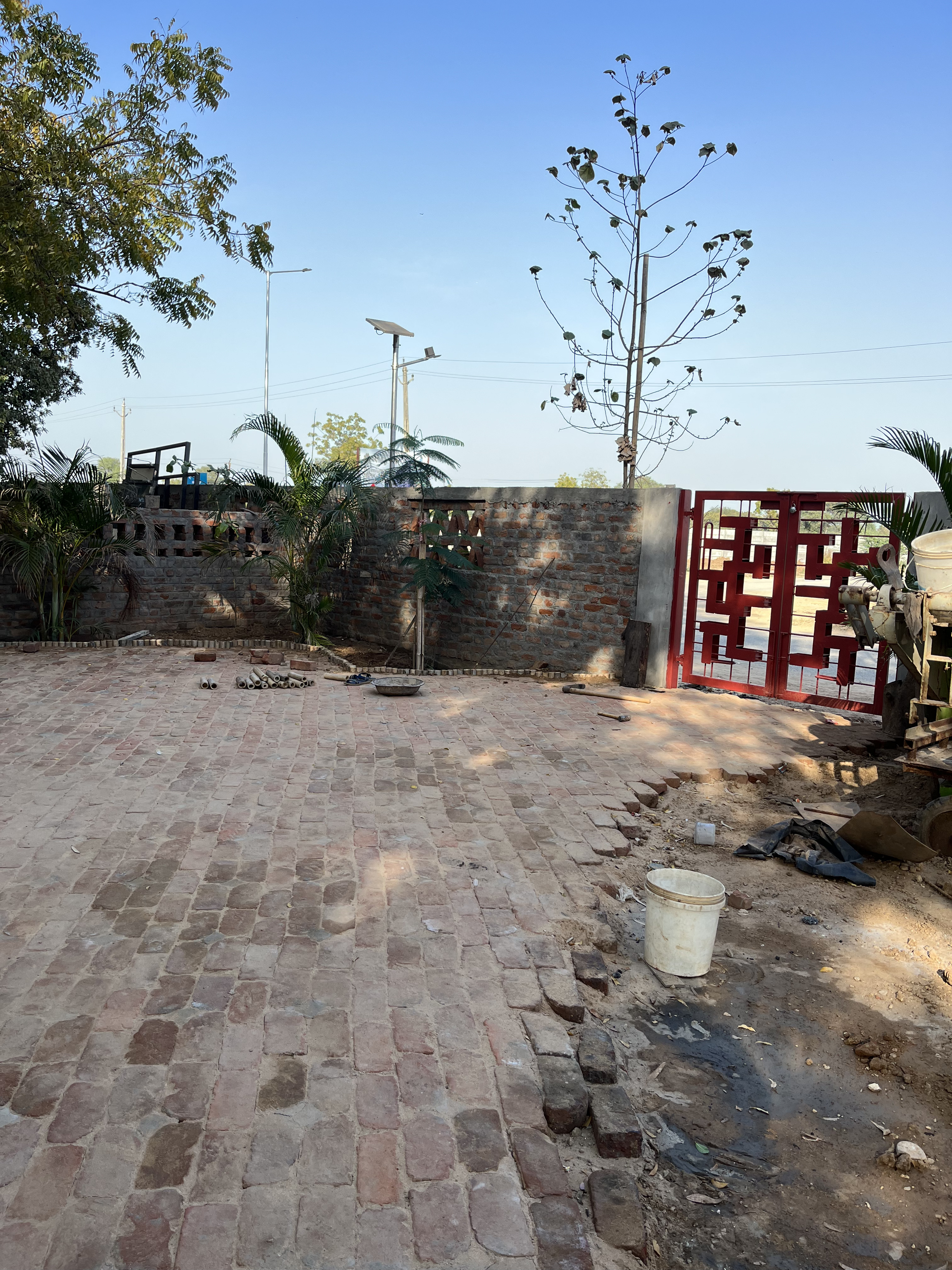
Before any idea forms, we look at what is already here — the cracks in old walls, leftover bricks, pieces of wood softened by sun and rain. We listen to the land, the people, and the stories they carry. Nothing is discarded. Everything is a starting point.
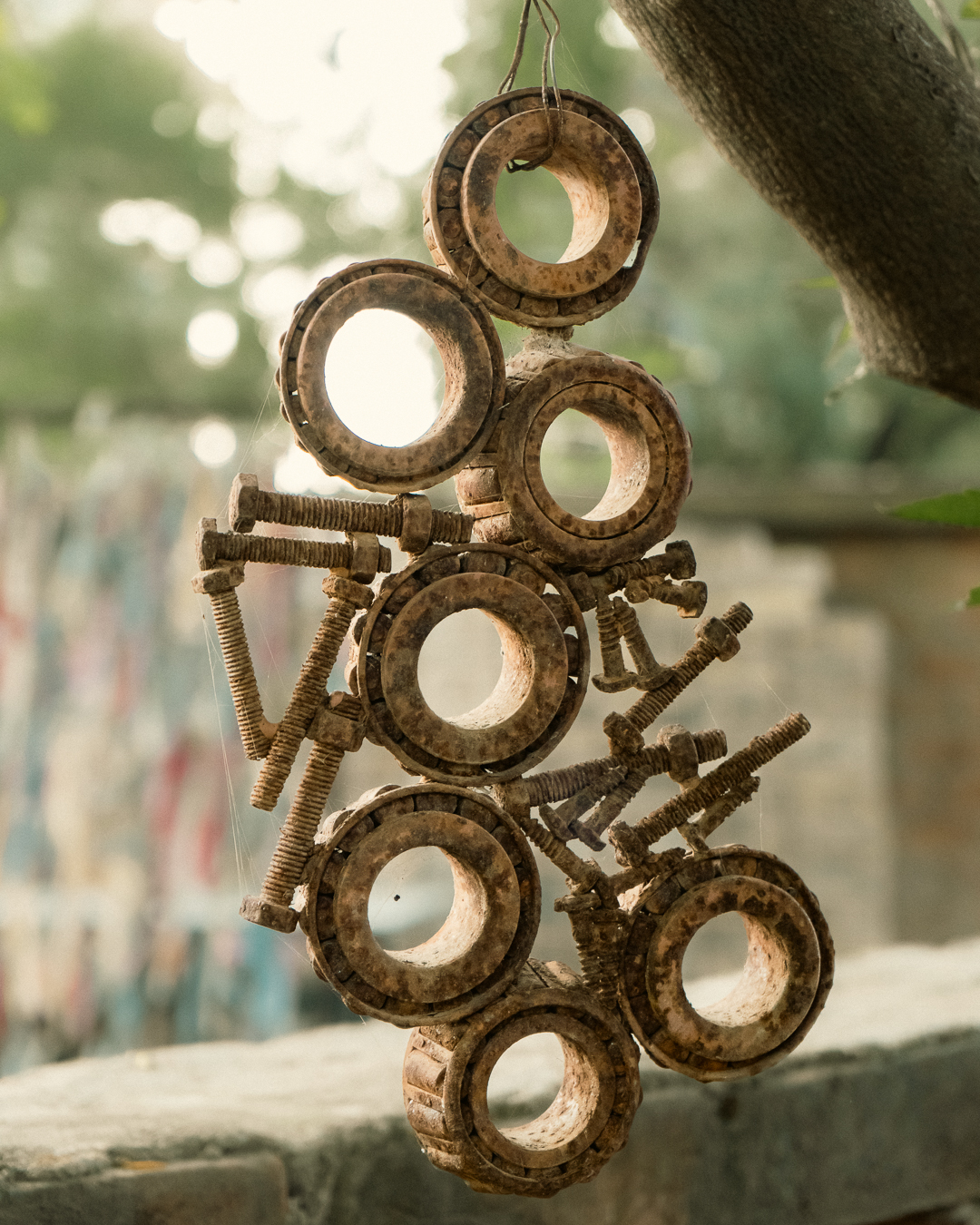
Ideas grow through conversation — around a table, over chai, during quiet walks through the space grounds. We sketch, test, rearrange, and rethink until the space begins to speak back to us. This is where the community guides the form.
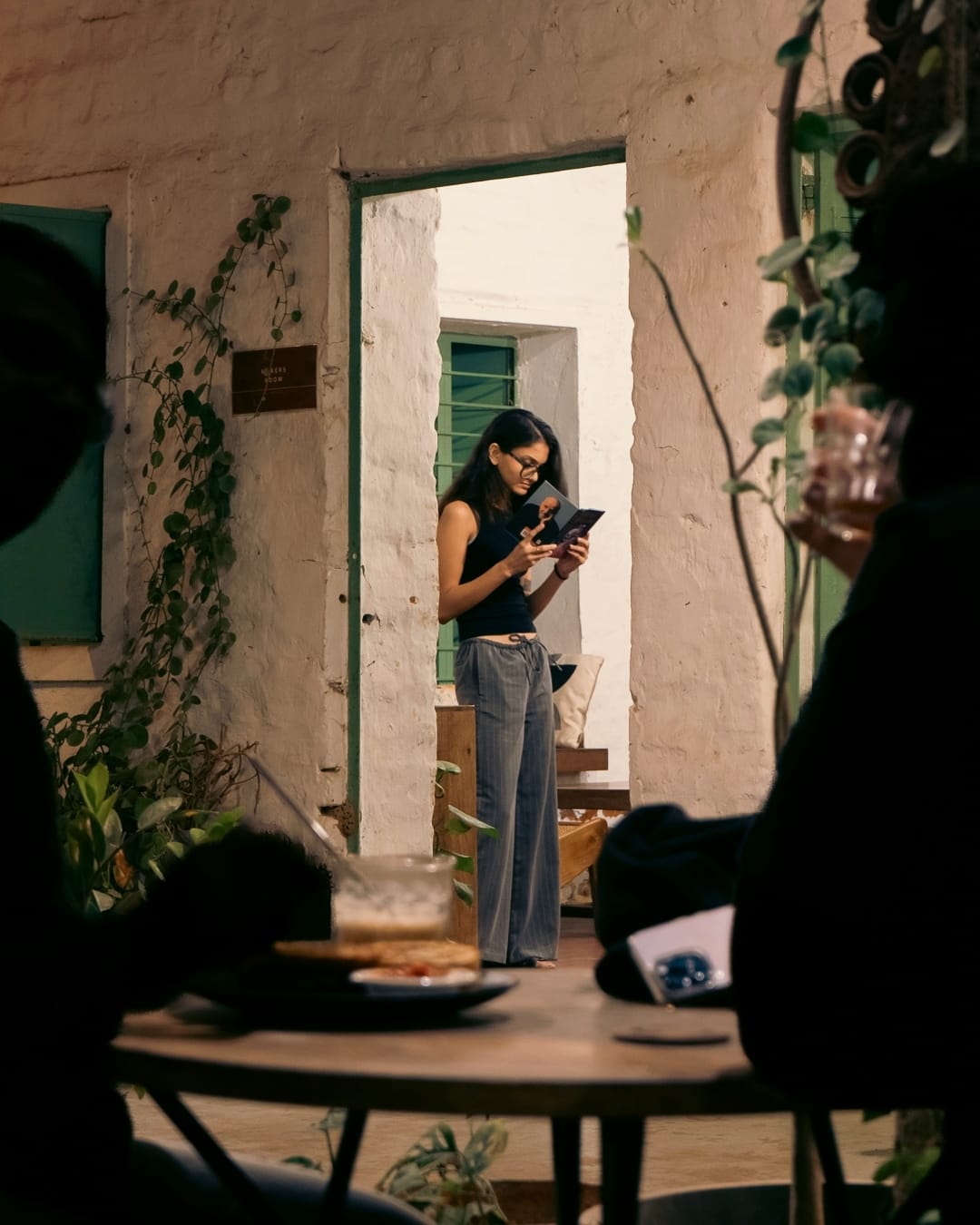
We work slowly — almost ritualistically. Clay is tested. Timber is sanded. Scrap metal is bent into new forms. Light is studied across seasons. Every detail is touched, not just drawn, because making is a conversation between material and hand.
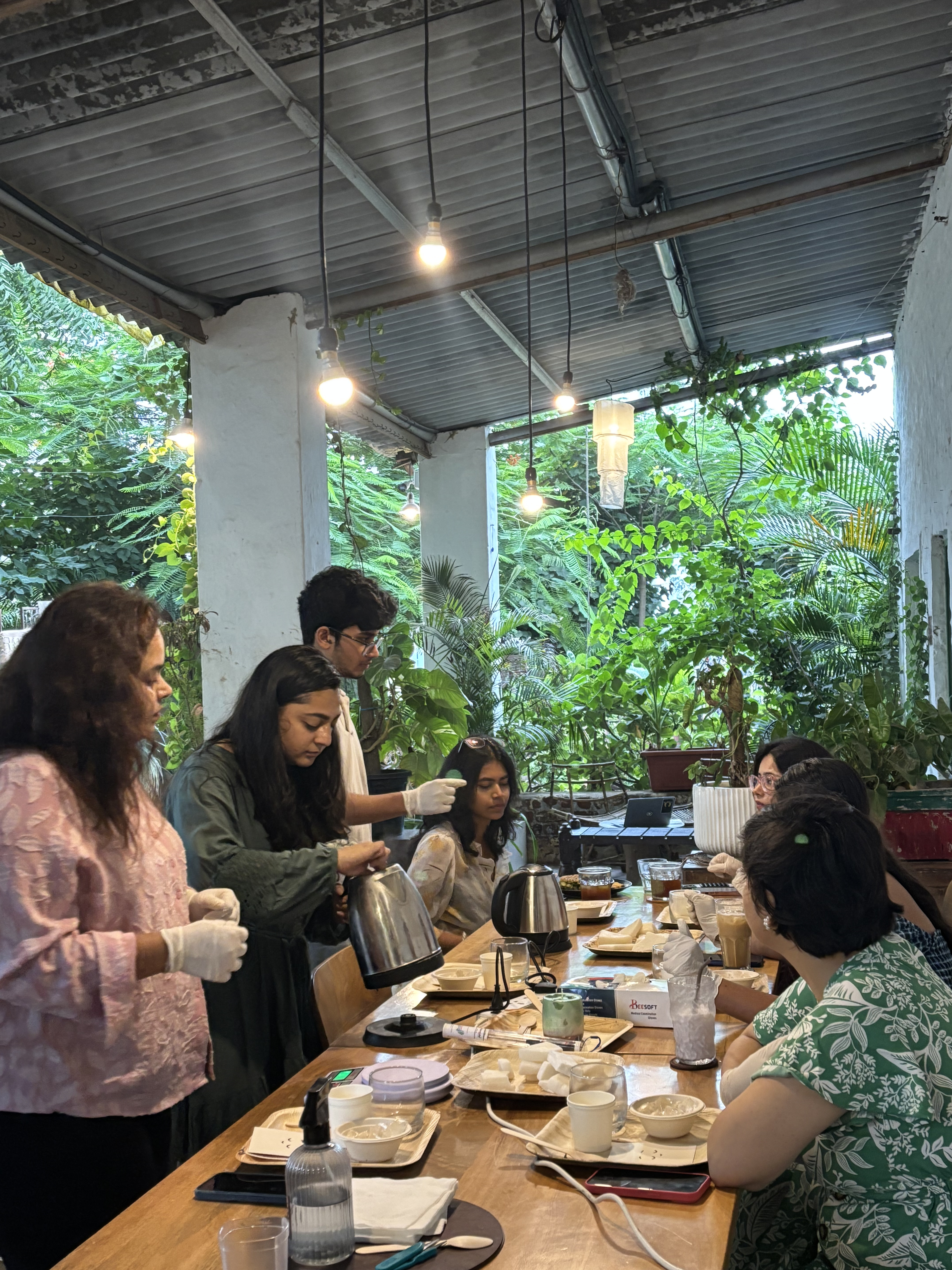
Once built, a space only becomes Mould when people enter it — gathering, cooking, creating, sharing afternoons and unplanned conversations. We don’t “finish” spaces; we leave room for them to grow with the community that will shape them next.